WashU Medicine has established guidelines to manage the placement of visual displays, including artwork, portraits and graphics, in public and shared spaces on campus. When considering visual displays, the Departments and the School will work together to ensure the visual displays support and do not conflict with the University and School missions. WashU Medicine will pay special attention to campus climate and culture.
Definitions
Depictions convey information using elements beyond, but not excluding, text. Examples include diagrams, maps, art, graphics, and portraits.
Space with a primary occupant identified, including but not limited to private offices, break areas, corridors, waiting areas, and open workstations.
A place generally open and accessible to the public.
Spaces that are designed to be shared and may reside within departments or at the school level, including but not limited to classrooms, meeting rooms, event spaces, lobbies, break areas, and general gathering and waiting areas.
Space that shares common areas, including lobbies and conference rooms, among multiple departments.
University Mission: https://wustl.edu/about/mission-statement/
WashU Medicine Mission: https://medicine.wustl.edu/about/mission/
WashU Medicine Mission and Vision: https://medicine.wustl.edu/about/mission/#diversity-statement
Role of the Advisory Committee
To support this guideline, WashU Medicine has created the Climate and Culture Visual Display Advisory Committee, which advises the Dean on imagery displayed in public and shared areas of both existing and new buildings. The committee includes representatives from key medical school administrative units, such as the Office of Medical Education and the Office of the Dean, and its recommendations align with the full scope of the university’s mission. The group convenes as needed to provide guidance for campus planning efforts, renovations, and new construction projects.
Visual Display Planning Principles
Visual displays on campus play a meaningful role in creating an environment that reflects the mission, values, and community of WashU Medicine. Thoughtfully selected artwork and imagery can enhance the beauty of our spaces, foster an appreciation for a wide range of artistic expressions, and celebrate the many voices, experiences, and contributions that define our campus. These planning principles help ensure that visual displays promote a welcoming and inclusive climate while honoring the University’s history, traditions, and culture. They guide the selection of displays to ensure each installation respects the campus character and supports WashU Medicine’s commitment to excellence, collaboration, and belonging.
Cultivating Community Through Visual Displays
Visual displays have a powerful impact on how people understand who is included in—and contributes to—the WashU Medicine community. The impressions formed when entering a space are often shaped by its visuals, and these impressions can influence how individuals feel within that environment.
While imagery can support a positive culture, it must also clearly convey the school’s mission, history, and values. Intentional, consistent visual selection helps ensure that all members of our community feel welcome, connected, and supported.
These guidelines encourage visual choices that strengthen community and foster a shared sense of place across campus.
- Select imagery that encourages the community to engage with the school’s history, recognize its present achievements, and look ahead to its aspirations.
- Select campus imagery that highlights the architectural character, impact, and scale of the WashU Medicine campus, showcasing the spaces where learning, discovery, and collaboration take place.
- Ensure visual displays reflect the school’s identity through appropriate branding.
- Maintain alignment between imagery and any accompanying text—such as legends, historical notes, or descriptive labels—to support clear and coherent messaging.
- Use visual displays to reinforce efforts to cultivate a positive campus climate and culture.
Climate and Culture Selections
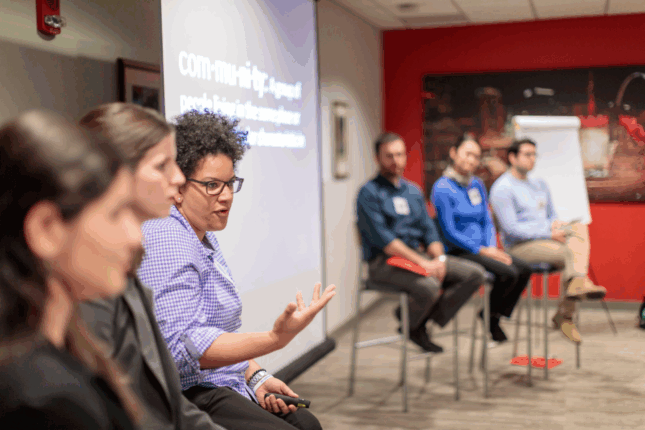
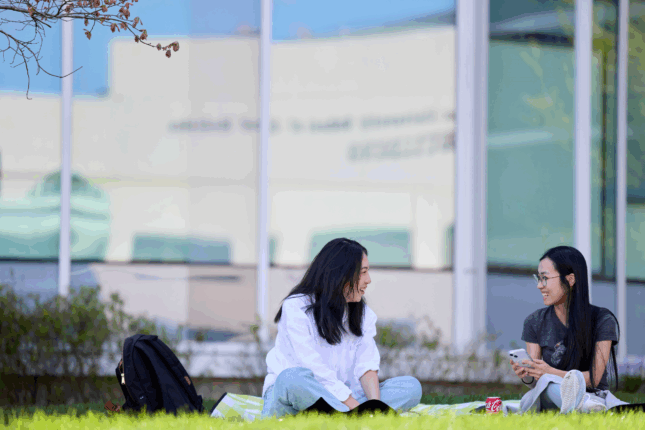
Imagery should portray WashU Medicine as a dynamic institution committed to excellence across all areas of its mission. Whenever possible, faculty, staff, residents, fellows, postdocs, and students should be shown in context to demonstrate meaningful engagement with their work and the world around them.
Images featuring people on campus should incorporate recognizable elements of the school’s physical environment and highlight community members interacting, collaborating, and contributing within their shared spaces.


Process for Visual Displays in Shared Public Departmental Spaces (Shared by Multiple Departments)
Departments should submit a proposal form for any visual displays that intend to be installed in shared public departmental space on campus.
Submission of a proposal form for a shared public departmental visual display via the Visual Display Proposal Form on the OFMD website. Proposals from individuals or organizations outside of WashU Medicine must be made in collaboration with a University partner.
- Describe the rationale and/or overall purpose of the visual display.
- Describe the significance of the artist, subject or honoree.
- Indicate any previous locations of the visual display (on-campus or off-campus), if applicable.
- If applicable, describe any awards, critical notice or notable significance of the visual display.
- Proposals identifying specific campus placement should include a justification for the site in question.
The committee will review all visual display proposals using the following criteria:
- The message/ intention of the proposed display shall be acceptable to current missions, standards, policies and proper branding of the WUSM campus.
- The proposed display should have relative uniqueness, including factors of originality and authenticity.
- The proposed display should honor university ethics with an effort to integrate climate and culture on campus.
- The proposed display should preserve or acknowledge history, heritage and culture.
- The display enhances the physical and aesthetic environment of the university.
- The proposed visual display should not impose unexpected or unsupportable burdens on the campus, such as the frequent need for maintenance and repair or unreasonable security costs.
- Proposals should include a funding source for the visual installation’s purchase, installation and maintenance.
- The committee will review all proposals. The advisory committee aims to operate on a timely and responsive basis relative to University units, donors and others.
- The Climate and Culture Visual Display Advisory Committee will take the recommended proposals from the review to the Dean for approval.
- Upon the Dean’s approval, the committee will send the proposals to OFMD for project initiation.
Process for Visual Displays in Non-Public (Departmental) Spaces
Those interested in installing visual displays in non-public spaces are encouraged to fill out the Visual Display Proposal Form for the advisory committee’s review. Committee approval is not required, but the advisory committee urges all departments to follow the criteria above for visual displays in non-public spaces.